
What "No HOA" Really Means When You Buy Land in Lamoille
September 3, 2026
September 3, 2026
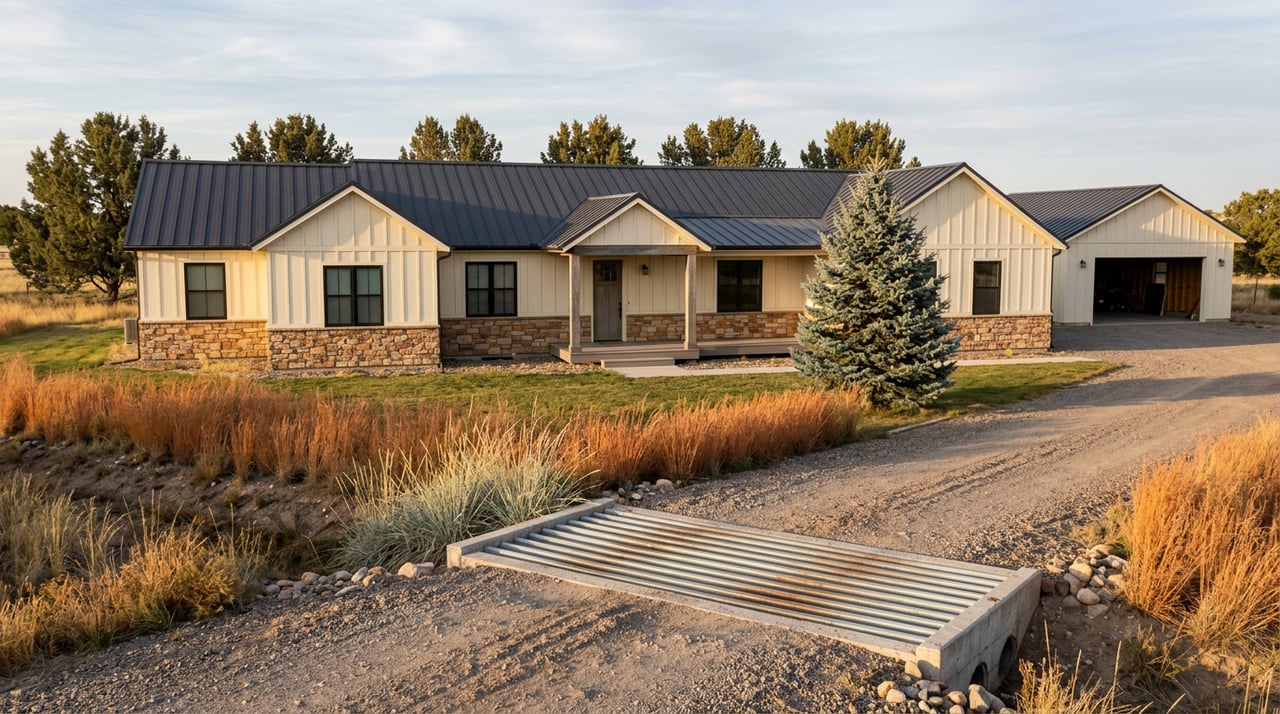
Scroll through land listings in Lamoille long enough and you will start to notice the same phrase repeating itself. An eighty-acre parcel a mile and a half from town, split-ready for multiple home sites, gets marketed on one line above the price: no CCRs, meaning you have the freedom to build. A corral lot on the edge of the valley gets the same pitch. The freedom is real. Lamoille does not run on the kind of covenant structure that governs a lot of Spring Creek's subdivisions, and nobody is going to send you a violation letter for the color of your barn.
But freedom from a rulebook is not the same as freedom from a system. The arrangements differ: In Spring Creek, an HOA or a utility company is usually part of the water, road, and septic picture; in Lamoille, buyers should confirm those details for the parcel. That shift, more than the acreage or the view, is the thing worth understanding before an offer goes in, especially this year, because the water underneath Lamoille is having a very public moment with the state.
Elko County's own water resources planning documents describe the Spring Creek and Lamoille area as developing at a high rate, served in large part by two separate systems: Spring Creek Utilities and the Lamoille Water Users Association. That single sentence matters more than it looks. It means a buyer cannot assume that "Lamoille" is one water situation. Some parcels tie into the Water Users Association. Others sit outside its service area entirely and depend on a private domestic well.
Nevada treats those two situations very differently. The Las Vegas Groundwater Management Program's guide says a domestic well serving a single home is capped at 1,800 gallons of use per day under state regulation, with no permit required. Yield is not guaranteed. Drilling one in the Elko area currently runs an average of about $10,500 for a typical 250-foot well, with drilling rates ranging from roughly $28 to $64 per foot depending on the driller and the ground. That is a real cost that a Spring Creek buyer connecting to a municipal-style utility simply does not carry, and it is a cost that shows up after the purchase, not before it, unless the buyer asks the right question at the right time.
| Cost driver | Typical figure |
|---|---|
| Average Lamoille land listing (per parcel) | about $800,571 |
| Average Lamoille land price per acre | about $78,844 |
| Average residential well drilling cost, Elko area | about $10,500 at 250 ft |
| Drilling rate range, Elko area | $28 to $64 per foot |
| Domestic well use cap (no permit required) | 1,800 gallons per day |
The timing makes this more than a hypothetical. The Nevada Division of Water Resources has been direct about the condition of the Humboldt River Basin, which covers the ground under Lamoille along with the rest of Elko County: the basin is over-allocated, meaning there are more water rights on paper than the river and its aquifers can reliably provide over time. Decades of groundwater pumping have already reduced river flows enough to create conflict with existing rights under what the state calls the Humboldt Decree, and NDWR has said plainly that this is not a future problem, it is happening now.
In response, the state ran workshops and listening sessions through 2023 and 2024 across the region, pulling in farmers, ranchers, local governments, and industry, and the process produced nineteen potential strategies for managing the river, from conservation programs to water banking to local management changes. That work now runs through a standing Humboldt River Stakeholder Working Group, with members nominated by their peers to represent agriculture, local government, industry, and conservation. Curtailment, restricting withdrawals to match legal priority, remains the direct tool available to the state if conjunctive management efforts don't stabilize the basin on their own.
None of that is abstract policy this particular week. NDWR's own site currently carries a notice that it is inspecting wells across the Humboldt River Region from July through November to check compliance with Order 1251, and that window is open right now. A buyer closing on a Lamoille parcel this fall could plausibly be taking on a well that is either mid-inspection or due for one. That is not a reason to avoid the area. It is a reason to ask the seller, before closing, whether the well on the property has documentation showing it meets state requirements, and whether it sits inside or outside the Lamoille Water Users Association's service boundary.
The dollar figures back up why so many buyers are willing to take that homework on. Current land listings tracked online put Lamoille's average parcel price at roughly $800,571, working out to about $78,844 per acre. That average covers a wide range of what is actually on the ground. A rare home right on Main Street in Lamoille, brick-walled and deck-finished, sells the town center version of the lifestyle. An eighty-acre parcel a mile and a half out, marketed with no CCRs and room to split into multiple home sites, sells the version where the buyer is building the entire operation from the ground up, water included. A smaller 3.6-acre corner lot with cross-fencing and a bunkhouse sells the entry point for someone who wants acreage without the largest commitment.
What a median price alone doesn't tell you is how water is supplied. Before closing, buyers should confirm whether a well needs work and whether any association dues apply.
We've written before about understanding Spring Creek's HOAs and covenants and about buying land and acreage in Spring Creek, and the throughline in both is that an HOA can do coordination work on the buyer's behalf. It sets expectations for road maintenance. It often ties into a utility rather than leaving water sourcing to each individual owner. It gives a buyer someone to call with a dispute instead of a neighbor to negotiate with directly.
It sits at the base of the Ruby Mountains, minutes from the Lamoille Canyon Scenic Byway, and the appeal is genuinely about space and independence rather than proximity to amenities. But the appeal only pays off if the buyer does the coordination work the HOA would otherwise have done, starting with water, road access, and septic capacity, before the parcel is theirs.
A few things worth confirming before writing an offer on Lamoille acreage:
None of this makes Lamoille a harder buy. It makes it a different one, and buyers should confirm water, road, and septic details before closing.
Does the Humboldt River Basin's over-allocated status mean I can't get water rights for a new well? Domestic wells under the 1,800-gallon daily cap generally don't require a separate appropriation permit, but anything beyond basic household use, irrigation or livestock watering included, is worth confirming before you count on it.
How do I find out if a specific well has been inspected under Order 1251? The Division of Water Resources maintains records on this through its own offices. Asking the seller for existing well documentation, and confirming directly with the state if anything is unclear, is the more reliable path than assuming a well is compliant because the house has been occupied for years.
Is the Lamoille Water Users Association the same thing as an HOA? No. It is a water service provider.
If you are weighing a parcel in Lamoille against something in Spring Creek, or trying to figure out which water situation a specific listing actually has, that is exactly the kind of groundwork Justine Oros does before a client ever makes an offer. Let's Connect and walk through what a particular property's water, road, and septic situation looks like before you're the one asking these questions after closing.
This article is general information, not legal, tax or financial advice. Consult a qualified professional about your situation.
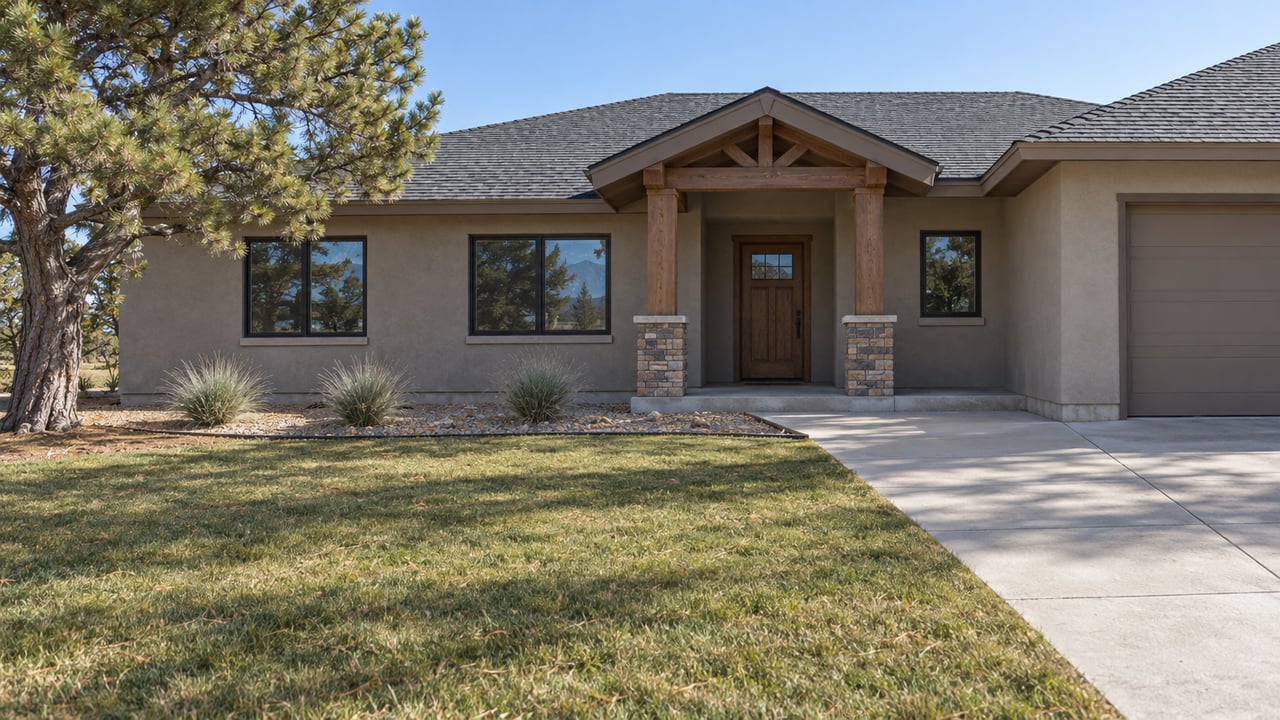
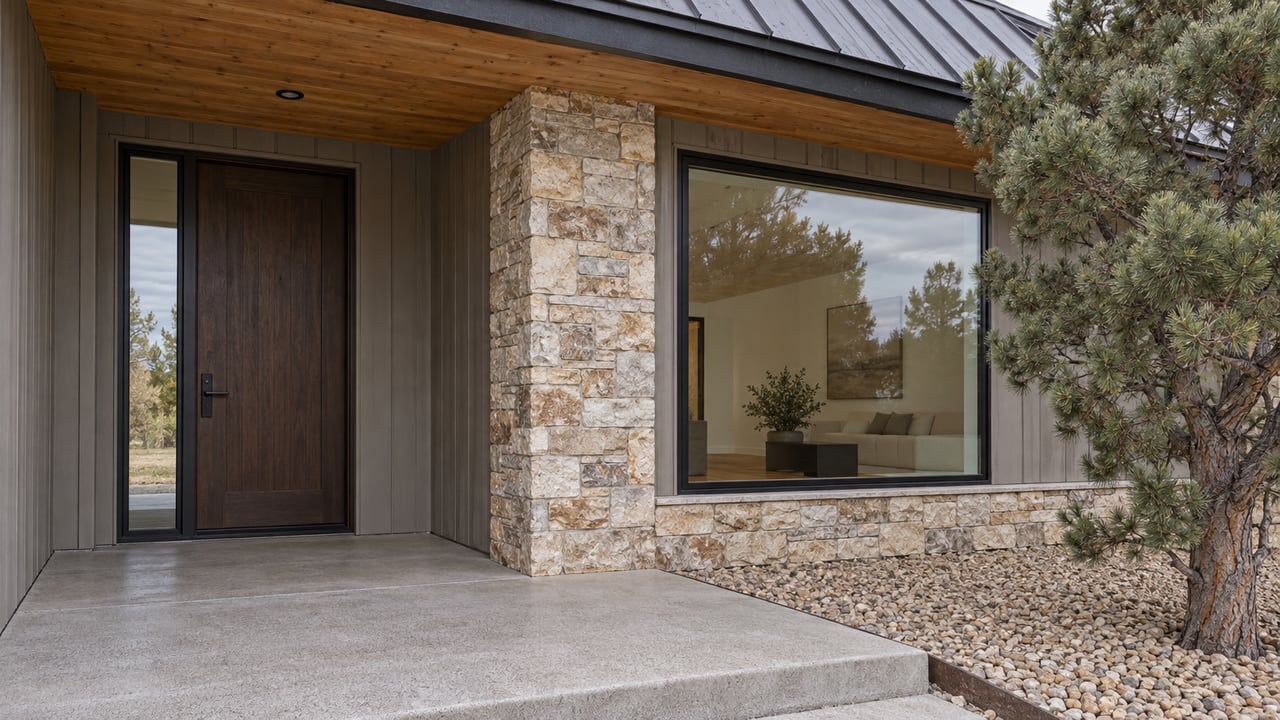
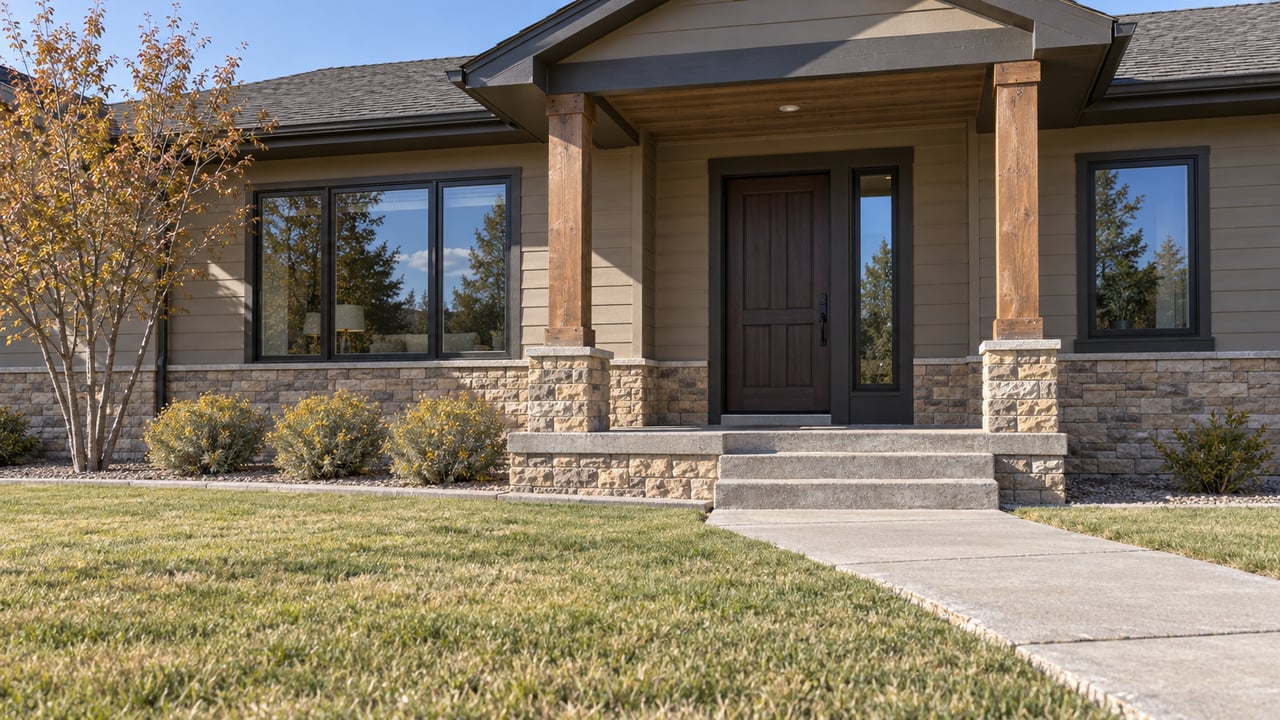
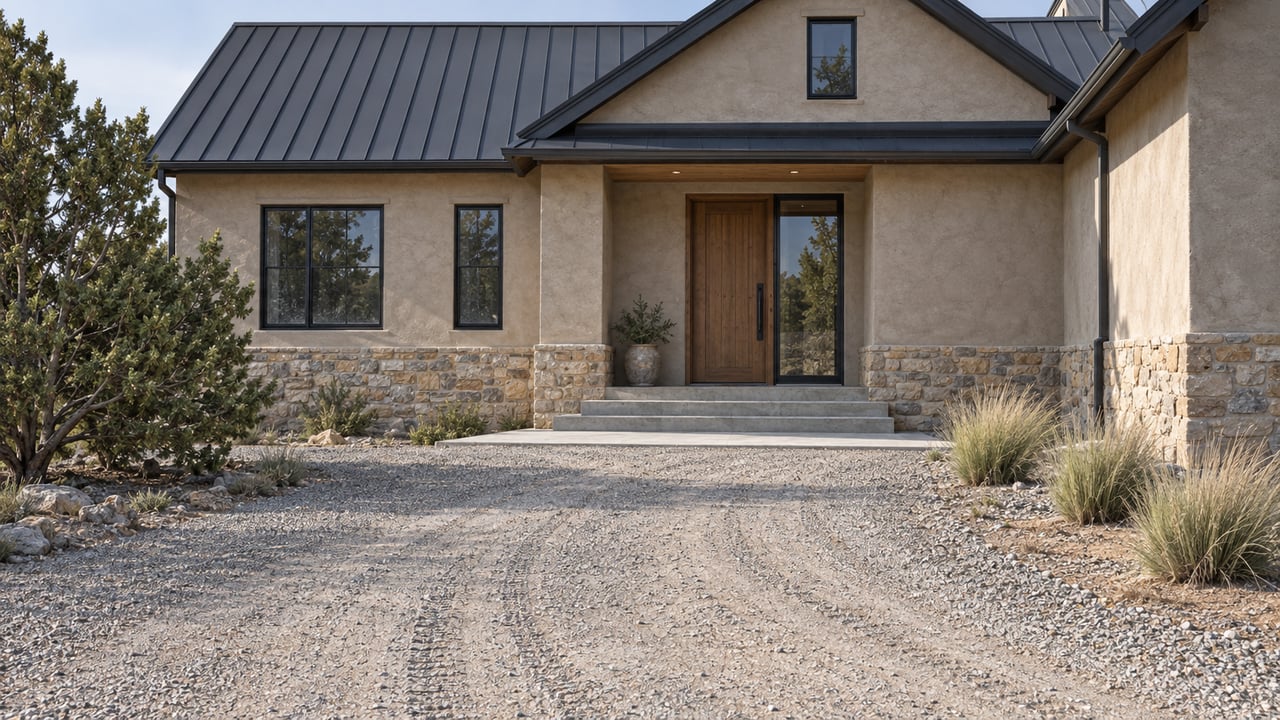


Every detail is handled with care to ensure properties stand out, attract attention, and secure competitive offers. From strategic pricing to targeted marketing, each step is thoughtfully designed to maximize exposure, create demand, and deliver strong, consistent results.