
Selling A Home In Spring Creek's HOA Communities
July 2, 2026
July 2, 2026
If you are selling a home in Spring Creek, the HOA is not a side note. It is part of how buyers evaluate the property, the costs of ownership, and the lifestyle that comes with it. The good news is that with the right prep, you can turn HOA details into a strength, avoid common surprises, and present your home with confidence. Let’s dive in.
Spring Creek is a private property owners’ association with 5,420 lots spread across 23.4 square miles near the Ruby Mountains, with access from Lamoille Highway and I-80 through Elko. It is also organized into four tracts, including one section dedicated to mobile homes, which means not every part of the community works exactly the same way.
That matters when you sell. Buyers are not just comparing bedrooms, bathrooms, and finishes. They are also looking at dues, governing rules, community amenities, and whether the property appears to fit the tract-specific standards.
For 2026, Spring Creek Association lists assessments at $86 per month, or $1,032 per year. A buyer will usually want to understand that cost in context, so your listing and showing strategy should help explain what ownership includes.
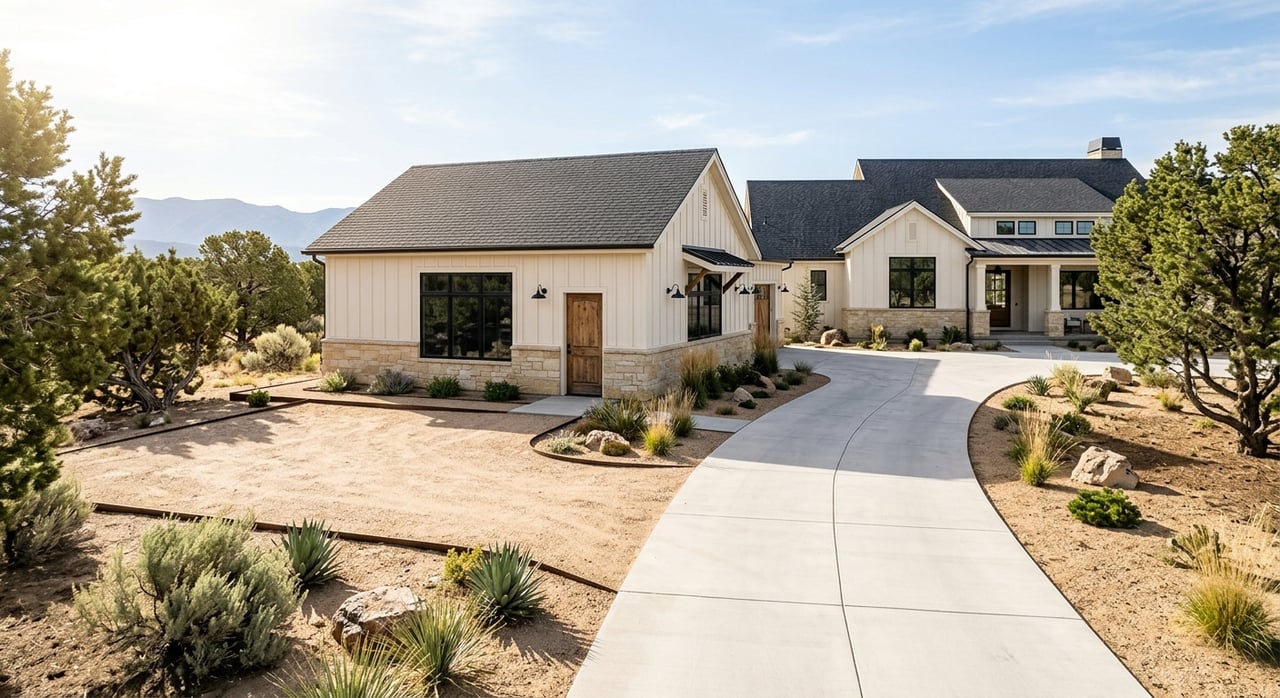
In Spring Creek, a smart sale is about more than square footage. The community itself is part of the value, especially for buyers who want open space, mountain views, and access to recreation-oriented amenities.
The association describes Spring Creek as a rural-residential community near the base of the Ruby Mountains. That gives you a credible way to market the setting, views, and outdoor access without relying only on cosmetic upgrades inside the home.
Amenities can also help your home stand out. Spring Creek Association highlights features such as the marina, golf course, Horse Palace, rifle range, trap and skeet facility, campground, sports fields, and the Fairway Community Center.
When you present these features well, HOA dues feel less like a line item and more like part of the ownership experience. Buyers often respond well when they can clearly see both the home and the broader lifestyle attached to it.
This is one of the biggest issues sellers should address early. Spring Creek’s recorded declaration states that no building, fence, patio, or other structure may be erected, altered, added, or allowed to remain until plans are approved in writing by the Committee of Architecture.
That means exterior work is not something to gloss over. If you added a fence, built an outbuilding, changed a patio, or made other structural exterior changes, buyers may ask whether approvals were obtained.
The association’s homeowner guidance also says structural alterations, additions, and fences should be submitted to the COA before county building department review. In practice, that makes paperwork and compliance an important part of your listing prep.
A clean answer is always better than a vague one. If you have records, gather them before your home hits the market so you are ready when questions come up.
In a rural market like Spring Creek, features such as RV parking, boats, trailers, shops, barns, and detached structures can attract serious interest. But they should not be marketed as automatic benefits unless the parcel and tract rules support them.
The recorded declarations include accessory-building limits in some districts, including height and setback restrictions. Local zoning for the Spring Creek and Lamoille area also includes district-specific rules for owner-licensed RVs, camper units, boats, and off-street parking requirements.
The safest approach is simple. Verify first, then market second. If a feature is allowed and compliant, it can be a strong selling point. If it is uncertain, it is better to avoid overstating it.
Spring Creek appeals to buyers who want a little more room and a more rural feel. That can lead sellers to assume horses or livestock are always allowed, but that is not true across every tract.
Spring Creek’s homeowner guidance states that some area tracts do not allow livestock or horses. So if your property may support that use, it should be described carefully and only when the governing documents for that parcel support it.
This is especially important because buyers looking for that kind of property often make decisions based on use, not just appearance. Clear, accurate information helps avoid wasted showings and protects the transaction from preventable problems later.
In many neighborhoods, showing questions stay pretty basic. In Spring Creek HOA communities, buyers often ask more document-driven questions because the rules, amenities, and compliance status can affect how they plan to use the property.
You should be ready to answer questions like these:
Spring Creek Association says amenity access is tied to a property-owner PIN issued after title paperwork, and access can be held if assessments are delinquent or if DOR or COA compliance is unresolved. That makes good standing more than a technical detail.
For HOA sales in Nevada, the resale package is a major part of the process. Under NRS 116.4109, the association must furnish the package within 10 calendar days after a written request.
The purchaser may cancel until midnight of the fifth calendar day after receipt of the package. The package remains effective for 90 calendar days.
This package includes important documents and financial information, such as:
For sellers, timing matters. If your agent orders and manages HOA documents early, you are in a better position to keep the deal moving and reduce last-minute stress.
Some buyers focus on HOA dues first. That is normal. Your job is not to ignore that concern. It is to put the cost into a complete and honest ownership picture.
In Spring Creek, assessments help support a large private association community with a distinct rural-residential setting and a range of recreation-oriented amenities. If your home also offers views, usable outdoor space, or proximity to community features, that story becomes even stronger.
The key is balance. You want buyers to understand the dues, but also what makes the location and ownership experience different from a non-HOA option.
The strongest Spring Creek listings usually do three things well. They show the home clearly, present the setting honestly, and answer compliance questions before they become objections.
That means your prep work should include more than cleaning and photos. It should also include document review, tract-specific rule checks, and a plan for how to explain the community benefits in a practical way.
A strong listing strategy may focus on:
This is where hands-on listing prep matters. A well-prepared home feels easier to trust, and trust helps buyers act faster.
Spring Creek is not a one-size-fits-all neighborhood. The combination of tract differences, HOA rules, rural features, and buyer expectations means details matter.
If you are selling, the goal is not just to get your home listed. The goal is to price it strategically, prepare it thoroughly, and present it in a way that answers real buyer concerns before they slow you down.
That is especially important if your home has unique features, needs exterior documentation, or is being sold while you coordinate another move. The smoother your prep, the better your position when offers come in.
If you are getting ready to sell in Spring Creek, working with an agent who knows how to manage pricing, prep, vendor coordination, and HOA-related details can make the process far less stressful. When you are ready for a practical game plan, reach out to Justine Oros for local, hands-on help.





The season that has the most success in selling homes is spring.

There has been some discussion recently on home prices in relation to mortgage rates.
Every detail is handled with care to ensure properties stand out, attract attention, and secure competitive offers. From strategic pricing to targeted marketing, each step is thoughtfully designed to maximize exposure, create demand, and deliver strong, consistent results.